
Video Game Music Composition and Sound Design in Firva
Video game music composition and sound design play an important role in creating the atmosphere and identity of a game. In Firva, I worked with a mix of sampled sounds, live instrument recordings, and vocal elements to create a musical world that feels familiar but does not belong to any specific culture.
The main goal was to build a unique sound world that could support the game’s atmosphere without connecting it to a clearly defined geographical or cultural identity.
Creating an Ambiguous Musical Identity
One of the main ideas behind the music of Firva was to avoid making it sound completely Scandinavian, Middle Eastern, or connected to any other specific musical tradition.
Instead, I wanted to create a sound that exists somewhere between these musical worlds. The music uses elements from different traditions, but none of them becomes the main identity of the soundtrack.
This approach allowed me to create a more mysterious and open musical atmosphere. Rather than telling the player where the world comes from, the music leaves room for imagination.
Combining Live Recordings and Sound Libraries
The soundtrack of Firva was created using a combination of sound libraries and recordings of real instruments.
I recorded and used different acoustic sources, including:
Cello
Kamancheh
Wooden wind instruments
Human voice and singing
These recordings were combined with sampled instruments and electronic processing to create a wider range of sounds.
Using both recorded instruments and sound libraries gave me more control over the texture of the music. It also helped me move between organic acoustic sounds and more unusual musical textures.
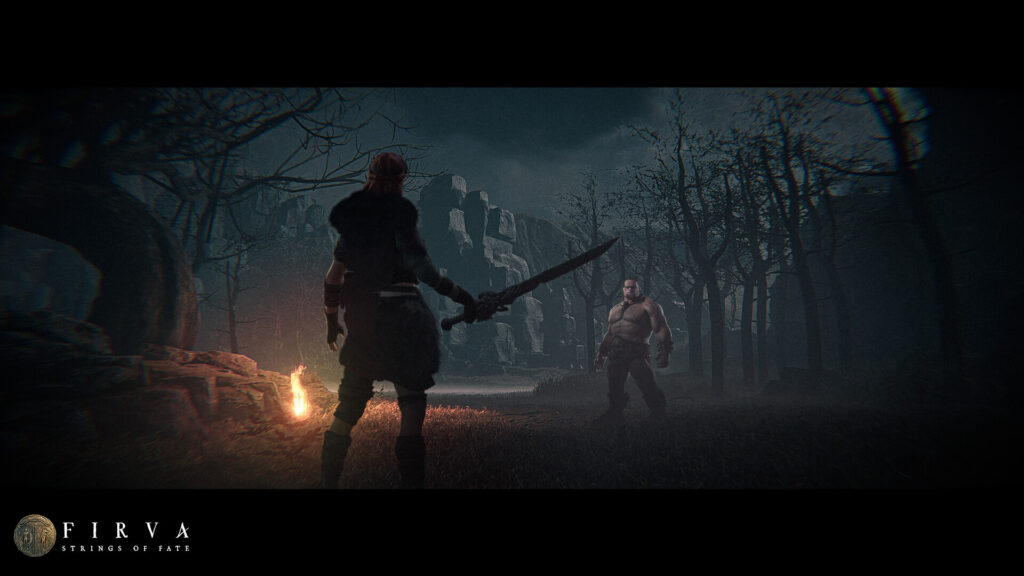
Transforming the Kamancheh into a Scandinavian-Sounding Instrument
One of the most interesting parts of the sound design process was working with the kamancheh.
Although the kamancheh is a traditional Iranian bowed string instrument, I did not want its sound to immediately suggest its cultural origin. I experimented with changing its tuning and processing its recorded sound to create textures closer to Scandinavian bowed string instruments.
Through these changes, the instrument became something different. Its original identity was still present in its sound, but it could now exist in a completely different musical environment.
This was an important part of the soundtrack’s overall concept: using familiar instruments in unfamiliar ways.
Sound Design and the World of Firva
In video game music composition and sound design, creating a consistent sonic identity is just as important as writing memorable melodies.
For Firva, the relationship between acoustic recordings, sampled sounds, and vocal elements helped create a unified musical language. Each sound was selected and shaped to become part of the same world.
My approach was not simply to combine different instruments or musical traditions. Instead, I wanted these sounds to interact and create something that could not easily be assigned to a single culture.
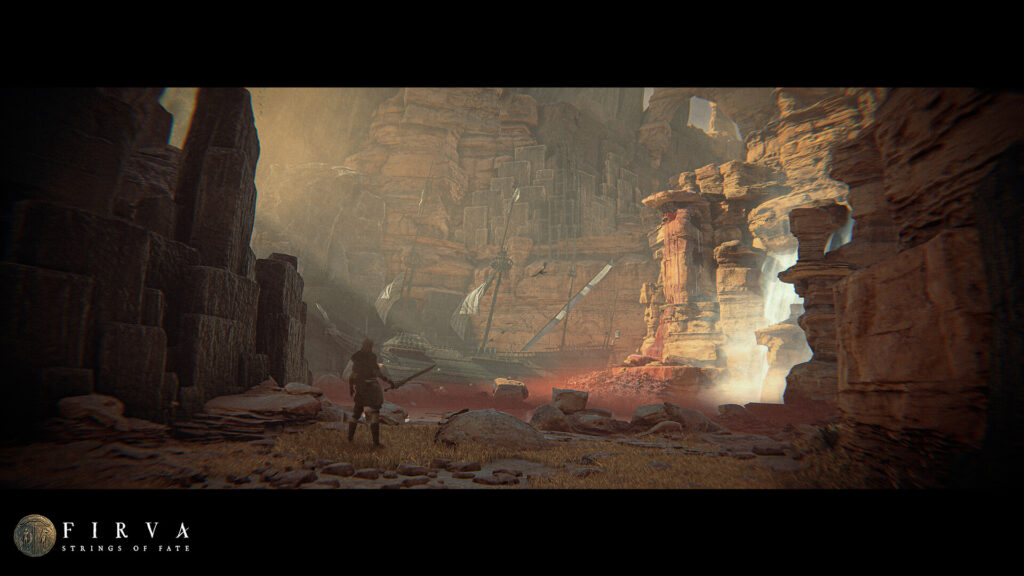
My Approach to Video Game Music
Working on Firva was an opportunity to explore how sound and music can shape the identity of a fictional world.
I believe video game music composition and sound design should go beyond creating background music. They can help build the atmosphere, personality, and emotional language of a game.
With Firva, I explored this idea through acoustic recordings, unusual instrument tunings, vocal textures, and a combination of traditional and electronic sounds.
The result was a musical direction built around ambiguity, experimentation, and the search for a sound that feels both familiar and unknown.
If you are looking for an original soundtrack for your next short film or independent project, feel free to [explore my portfolio] or [get in touch].
