
Musical Storytelling in Film: The Musical Dialogue of “Sort Out the Photographs”
Musical storytelling in film is not always about creating melodies that follow the emotions on screen. Sometimes, music can become a storyteller itself. It can ask questions, offer answers, create uncertainty, and leave the audience with feelings that words cannot express. This idea became the foundation of my approach to composing the music for Sort Out the Photographs, a short film directed by Farhan Farahnak.
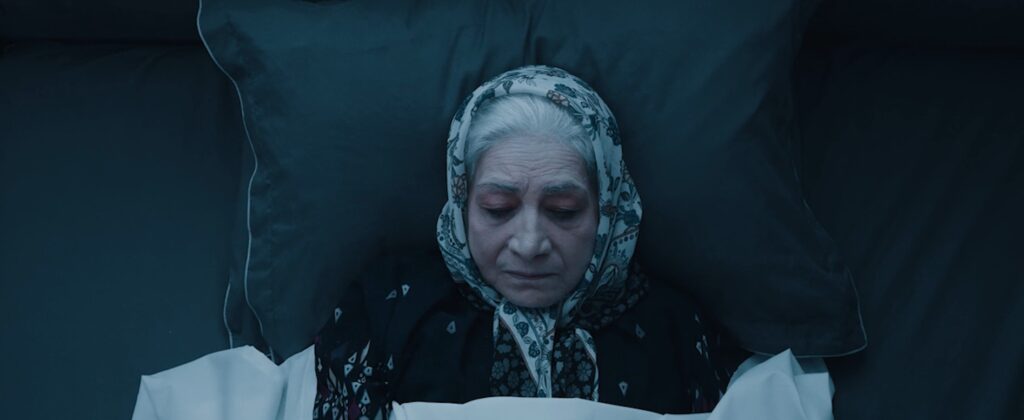
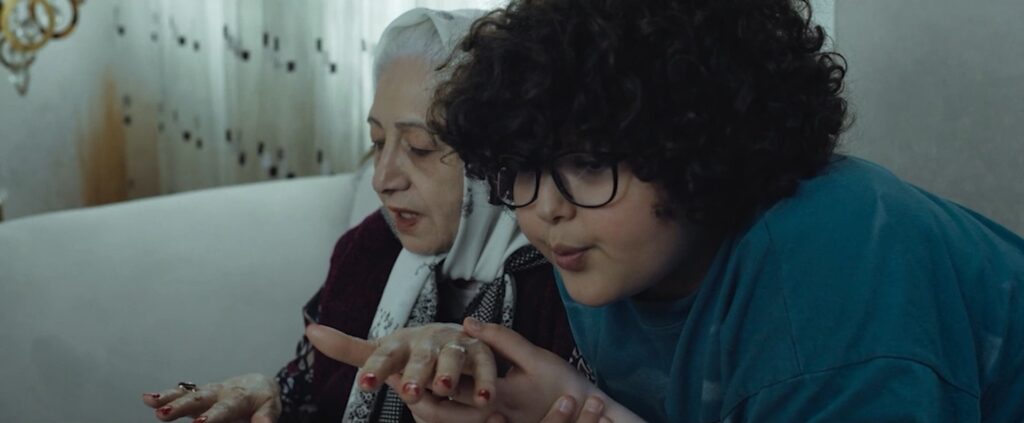
The film tells the story of Mahin, an elderly woman living with Alzheimer’s disease. She is waiting for her husband, Hossein, who she believes will return to celebrate her birthday. Her grandson, Sina, starts a game to keep her entertained, but the game gradually leads to an unexpected situation.
Working on this film gave me an opportunity to explore how music can take an active role in storytelling rather than simply supporting the emotions of a scene.
Music as a Form of Dialogue
One of the main ideas behind the soundtrack was to create a musical dialogue throughout the film.
Instead of writing a continuous musical background, I approached the score as a series of questions and answers. Different instruments introduce musical questions, while other instruments sometimes respond to them. However, not every question receives an answer.
Some musical phrases find their resolution. Others remain unfinished, creating a sense of uncertainty and emotional distance. This relationship between questions and unanswered phrases became an important part of the film’s musical language.
I wanted the audience to experience something similar to a conversation in which the meaning is not always clear. Sometimes, a person remembers something but cannot complete the thought. Sometimes, a question remains in the air without a response.
In this way, musical storytelling in film becomes more than an emotional background. It becomes another layer of the narrative, communicating through musical gestures instead of dialogue.
The Iranian Kamancheh and Its Role in Storytelling
One of the most important elements of the soundtrack is the Iranian kamancheh.
I was particularly interested in its short, plucked gestures and the expressive possibilities of its sound. Rather than using the instrument only for its traditional melodic qualities, I explored how individual notes and short phrases could function as musical questions.
The plucked sounds of the kamancheh create small musical statements. Some are answered by other instruments, while others disappear without resolution.
Different instruments become participants in this musical conversation. Their relationship creates a changing structure that develops alongside the film’s narrative.
The goal was not simply to introduce traditional Iranian instruments into a contemporary film score. Instead, I wanted each instrument to have a narrative purpose and a clear role within the musical dialogue.
Writing Music Around Memory and Uncertainty
A story about Alzheimer’s disease naturally raises questions about memory, identity, and the relationship between past and present.
I did not want to represent these ideas through predictable musical techniques or constantly emotional melodies. Instead, I focused on the relationship between musical phrases, their responses, and the moments when the music chooses not to answer.
This approach allowed the soundtrack to reflect uncertainty without directly explaining it.
Silence and unfinished musical ideas became just as important as the notes themselves. In certain moments, the absence of an expected response can communicate more than a complete musical phrase.
For me, this is one of the interesting possibilities of musical storytelling in film: music does not always need to explain what a character feels. It can create a space in which the audience discovers those feelings for themselves.
What Can Filmmakers Learn From This Approach to Film Scoring?
When working with a composer, filmmakers often think about the emotional atmosphere they want for each scene. But music can do much more than establish an atmosphere.
A musical idea can introduce a question that becomes important later in the story. A melody can return with a different meaning. Two instruments can create a dialogue, even when the characters on screen are unable to communicate.
For directors, thinking about music as a narrative element can open new creative possibilities during the filmmaking process.
In Sort Out the Photographs, I approached the soundtrack as an independent narrative voice that could interact with the images, the characters, and the progression of the story.
I believe the most interesting film scores are not necessarily the ones that make the audience notice the music. They are the ones that make the audience feel that something important is being communicated, even when no one is speaking.
Music can tell a story, ask a question, and sometimes leave the most important answer unheard.
If you are looking for an original soundtrack for your next short film or independent project, feel free to [explore my portfolio] or [get in touch].
